9 Strategic Objectives Each Side Protected, What the Lack of Deals Reveals
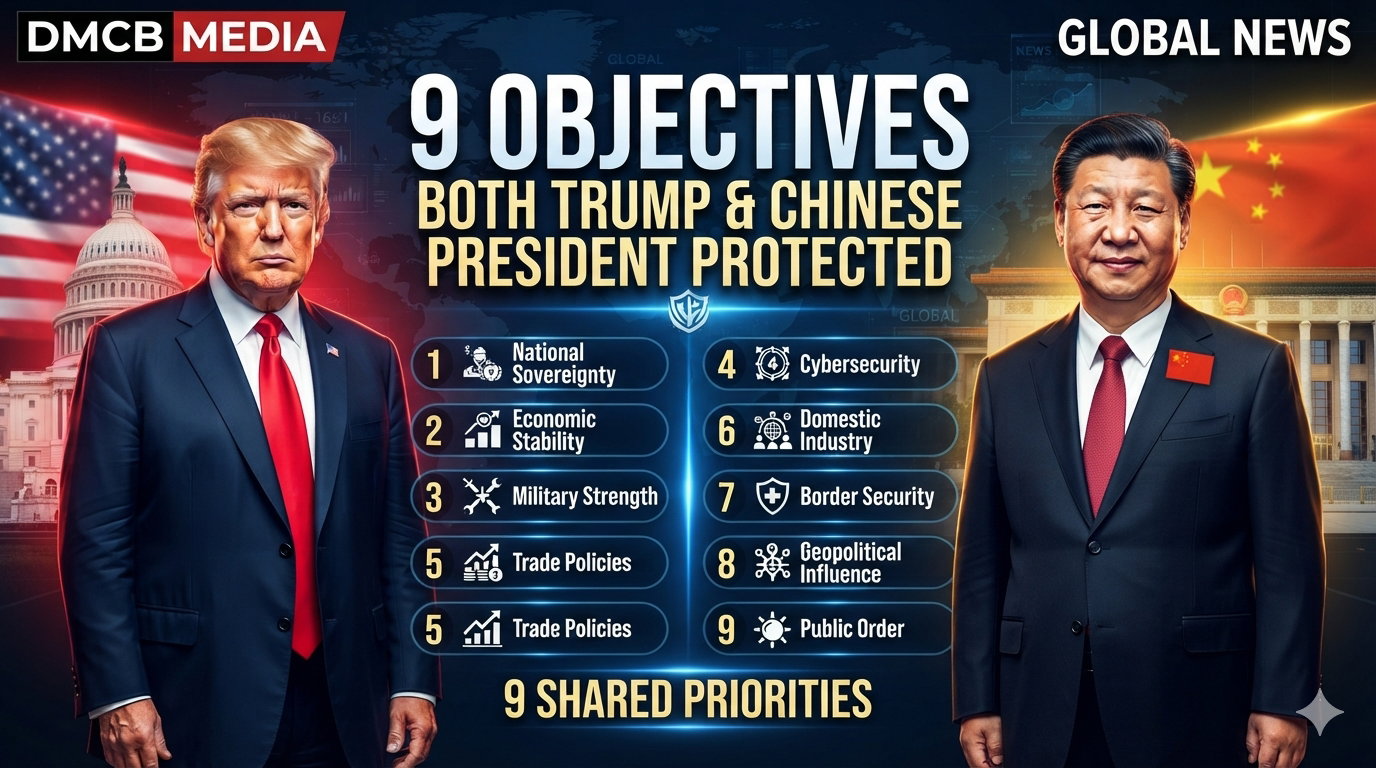
DMCB MEDIA, 9 Strategic Objectives Each Side Protected, What the Lack of Deals Reveals
When two parties spend weeks or months “close to a deal” and still walk away, the reason is rarely a single clause. More often, each side is protecting a small set of strategic objectives that matter more than the headline number. The lack of deals is not just a failure to compromise, it is a signal that at least one protected objective is being threatened, ignored, or misread.
This article breaks down nine strategic objectives that commonly drive negotiations in business, labor, politics, partnerships, mergers, sports, media rights, and high stakes procurement. For each objective, you will see what each side is usually trying to protect, how stalled talks reveal hidden constraints, and what practical moves can reopen a path to agreement without surrendering core interests.
1. Price is rarely the real fight, it is the scoreboard for value
Price gets the attention because it is measurable and easy to report. But in most complex negotiations, price is a proxy for several deeper issues, including confidence in outcomes, perceived fairness, and future leverage.
What each side is protecting
- Buyer side: protecting budget limits, internal approval credibility, and the ability to defend the deal later if results disappoint.
- Seller side: protecting margin, precedent for future deals, and the story they must tell investors, employees, or members about “what we are worth.”
What the lack of deals reveals
- The “real” price is tied to an unspoken risk, like performance uncertainty, integration cost, churn, political backlash, or future headcount reductions.
- One side believes the other will capture most of the upside after signing, so they are demanding compensation upfront.
- There is a precedent problem, meaning agreeing to this price damages other negotiations that are underway, or resets expectations across a market.
How to reopen movement without just splitting the difference
- Turn price into a structured package, such as earn outs, milestones, rebates, usage tiers, or performance bonuses that match payment to realized value.
- Separate “symbolic price” from “economic price.” A higher list price can coexist with credits, marketing support, extended terms, or risk sharing mechanisms.
- Ask directly, “Which internal audience do you need to justify this to, and what do they require to say yes?” This often surfaces the real obstacle.
2. Control of decisions and governance determines who owns the future
Many deals collapse because one side fears being trapped in a structure where they cannot protect themselves later. Governance is often discussed late, even though it is one of the earliest drivers of hesitation.
What each side is protecting
- Side A: the right to make key decisions, appoint leaders, set strategy, and approve budgets or major changes.
- Side B: veto power over actions that could harm them, like dilution, layoffs, relocation, asset sales, price hikes, or mission drift.
What the lack of deals reveals
- There is low trust that the other side will behave reasonably after signing.
- The parties have incompatible time horizons. One wants rapid change, the other wants stability.
- One side is negotiating under constraints from a board, a regulator, a union membership, or political leadership that cannot tolerate perceived loss of control.
Moves that can unlock governance deadlocks
- Define “reserved matters” that require mutual consent, and keep day to day operations with one side. This reduces friction while protecting core risks.
- Create objective triggers for control shifts, such as performance thresholds, breach conditions, or funding milestones.
- Use independent directors, third party arbitration panels, or agreed expert determinations for a narrow set of disputes.
3. Optionality is the hidden asset, each side wants exit doors
Optionality means having choices later. In negotiations, optionality shows up as termination rights, renewal flexibility, non exclusivity, portability, step in rights, and the ability to pivot if conditions change.
What each side is protecting
- Buyer side: the ability to change vendors, re scope the project, reduce volume, or cancel if priorities shift.
- Seller side: the ability to raise prices later, cross sell, prevent switching, and ensure predictable demand to plan staffing and investment.
What the lack of deals reveals
- At least one side believes the environment is unstable, such as election cycles, interest rates, competitive threats, or internal restructuring.
- One side anticipates regret, meaning they suspect better alternatives may appear soon.
- There is a fear of lock in, where signing now would reduce leverage in the next negotiation.
Practical ways to balance optionality
- Trade flexibility for compensation, such as a lower termination fee in exchange for higher per unit pricing, or vice versa.
- Use staged commitments. Start with a pilot, then scale with pre set pricing if performance is proven.
- Build in review windows. A quarterly or annual reset of scope can protect the buyer while providing the seller with structured renewal opportunities.
4. Timing and tempo protect momentum, cash flow, and political survival
Deadlines drive behavior, but they also create fear. When timing is misaligned, “no deal” can be a rational strategy to avoid being forced into concessions.
What each side is protecting
- One side: urgent closure to hit a revenue quarter, stabilize operations, avoid strikes, or reduce uncertainty for staff and markets.
- The other side: time to gather information, build alternatives, or wait for external events that improve their leverage.
What the lack of deals reveals
- The party pushing urgency may be signaling weakness, and the other side is waiting for a better offer.
- The party slowing down may face internal division, where decision makers are not aligned, or approvals are not secured.
- There may be a “calendar trap,” meaning a regulatory window, fiscal year, seasonality, or election cycle makes certain terms impossible right now.
How to negotiate timing without creating a hostage situation
- Agree on a process deal first, a written timeline, milestones, document exchange schedule, and a short list of open issues.
- Use conditional signatures, where parties sign subject to one or two measurable conditions, reducing uncertainty while keeping integrity.
- Offer speed incentives, not threats. For example, faster execution unlocks better service levels, early payment discounts, or earlier access to resources.
5. Information advantage is power, and silence is sometimes a strategy
Negotiations fail when one side believes the other is hiding critical information, or when sharing information would weaken their position. The result is stalled due diligence, vague term sheets, and repeated “we need more clarity” loops.
What each side is protecting
- Disclosing side: protecting sensitive data, competitive secrets, legal exposure, and narrative control.
- Requesting side: protecting against adverse selection, hidden liabilities, and overpaying for unknown risks.
What the lack of deals reveals
- There is a trust deficit. The parties assume information will be used against them, not to solve problems.
- There may be “unknown unknowns,” like unresolved audits, pending litigation, cybersecurity incidents, or compliance gaps.
- The requesting party might be on a fishing expedition, gathering market intelligence to improve their alternatives rather than to close.
Fixes that reduce information conflict
- Use phased disclosure. Share anonymized or aggregated data early, then deeper detail after a narrow term sheet is signed.
- Create clean team structures for competitively sensitive information, especially in M and A, pricing, or media rights settings.
- Convert disputed facts into warranties, representations, and escrow structures. If you cannot agree on what is true today, agree on remedies if it proves false.
6. Risk allocation reveals who can survive worst case scenarios
Every deal distributes risk. When talks collapse, it is often because the party with less shock absorption is protecting survival, not bargaining position. Risk includes financial loss, safety issues, regulatory penalties, brand damage, and operational failure.
What each side is protecting
- Risk averse side: protecting against outcomes that could trigger layoffs, insolvency, political scandal, or legal action.
- Risk tolerant side: protecting upside by limiting constraints, refusing broad indemnities, or resisting penalties that reduce growth.
What the lack of deals reveals
- One side has a fragile balance sheet, weak public support, or limited insurance. They cannot absorb even a moderate downside.
- Past trauma is shaping the negotiation, such as a prior breach, a public incident, or a costly lawsuit. The party is protecting against repetition.
- Regulatory or compliance exposure is a deal killer if responsibilities are not clearly assigned.
Risk allocation tools that often save deals
- Caps and baskets, where liability is limited and only applies after a threshold is reached.
- Insurance solutions, including representations and warranties insurance, cyber insurance endorsements, or project specific coverage.
- Shared risk mechanisms, such as gain share and pain share models, or jointly funded remediation budgets with clear governance.
7. Reputation and narrative control matter as much as contract terms
People do not just sign contracts, they sign stories. Leaders must explain the deal to employees, fans, voters, investors, customers, and the media. If the narrative is humiliating or politically toxic, “no deal” becomes safer than compromise.
What each side is protecting
- Public facing side: protecting legitimacy, strength, and fairness in the eyes of stakeholders.
- Private or technical side: protecting credibility with specialists, boards, and internal teams who will execute the agreement.
What the lack of deals reveals
- One side cannot be seen as conceding, even if concessions are economically rational.
- There is fear of precedent in messaging. If leadership praises the other party too much, it may weaken future bargaining power.
- Misaligned communication strategies can undermine talks. One party negotiates quietly, the other negotiates in public through leaks and sound bites.
How to handle narrative as a strategic objective
- Negotiate a joint communications plan early, including what is said, when, by whom, and what remains confidential.
- Create face saving structures, such as mutual concessions announced as “balanced packages,” or phase ins that allow both sides to claim progress.
- Use neutral language in documents and press releases. Avoid phrasing that implies victory, blame, or coercion.
8. Enforcement and remedies protect against betrayal, and reveal trust levels
Contracts are not only about the happy path. They are about what happens when something goes wrong. If the parties cannot agree on enforcement, it usually means they do not believe future behavior will match present promises.
What each side is protecting
- Party seeking stronger enforcement: protecting performance, continuity, and the ability to recover losses quickly.
- Party resisting enforcement: protecting flexibility, limiting exposure, and avoiding remedies that could become existential threats.
What the lack of deals reveals
- One side expects volatility, like leadership changes, ownership transitions, funding gaps, or market disruption that could cause non performance.
- There may be a history of broken promises between the parties, or within the industry, which makes strict remedies non negotiable.
- The parties disagree on what “good performance” means. If performance metrics are vague, enforcement becomes a proxy battle.
Enforcement structures that reduce fear on both sides
- Define clear service levels, acceptance criteria, and measurement methods so disputes become factual rather than emotional.
- Use cure periods and escalation ladders. Many disputes can be resolved if there is a structured path before termination.
- Design proportionate remedies, such as service credits, step in rights, or liquidated damages tied to specific failures rather than unlimited claims.
9. Relationship and future bargaining position, protecting tomorrow is sometimes worth losing today
Some negotiations are not one time events, they are chapters in a long relationship. Parties often reject a deal that looks acceptable today because it weakens their future position, or damages the relationship in ways that are costly later.
What each side is protecting
- Long term player: protecting collaboration, stability, and the ability to solve problems together after signature.
- Leverage conscious player: protecting future bargaining power, avoiding lock in, and preventing the other side from learning how to pressure them.
What the lack of deals reveals
- There is a mismatch in whether the relationship is valued. One side wants partnership language, the other wants transactional terms.
- Future negotiations loom large, such as renewals, expansions, wage re openers, or subsequent funding rounds. Each side is positioning for those fights.
- Personal relationships among negotiators may be damaged, leading to rigid stances and unwillingness to reframe.
How to protect relationship without sacrificing strategic interests
- Create joint operating rhythms, such as quarterly business reviews, steering committees, or labor management councils, so problems are handled continuously.
- Write learning and improvement into the contract, including post mortems, performance dashboards, and renegotiation triggers based on objective changes.
- Use “most favored customer” or benchmarking carefully. These tools can preserve fairness while reducing fear of being out negotiated in the future.
What stalled negotiations usually mean in practice, nine quick interpretations
When you see repeated delays, non answers, or sudden changes in demands, it often maps to one of the objectives above. The following interpretations can help you diagnose the block faster.
- They keep returning to price: value is not proven, or precedent risk is high.
- They argue about decision rights: they fear post signature vulnerability.
- They resist exclusivity or long terms: optionality matters more than the deal today.
- They “need more time” repeatedly: they are waiting for leverage, or approvals are not secured.
- They will not share data: disclosure increases their risk, or there is a problem they cannot admit.
- They demand extreme indemnities: they cannot absorb downside, or past failures have shaped their posture.
- They negotiate in public: narrative control is part of the bargaining strategy.
- They insist on harsh penalties: trust is low, and they need enforceable protection.
- They avoid committing to governance routines: they do not plan to invest in the relationship after signing.
A practical playbook to turn “no deal” into a clearer next step
If you are leading a negotiation and progress has stalled, use these steps to identify which strategic objective is being protected, then propose options that respect it.
Step 1, map objectives explicitly, not implicitly
- Ask each side to list their top three non negotiables and the reason behind each.
- Translate positions into interests, for example “we need a higher fee” becomes “we must cover fixed costs and avoid setting a low market reference.”
- Confirm what is truly immovable versus what is simply uncomfortable.
Step 2, test for internal alignment and hidden veto players
- Identify who must approve, including boards, regulators, committees, union membership, or financiers.
- Ask what those groups will object to, and what evidence or concessions would neutralize the objection.
- Look for signals of internal disagreement, such as delays in feedback, sudden reversals, or inconsistent messaging.
Step 3, convert “trust me” statements into measurable commitments
- Replace promises with metrics, audit rights, and reporting schedules.
- Use escrow, holdbacks, or staged payments to reduce fear of non performance.
- Agree on dispute escalation procedures so neither side feels trapped.
Step 4, trade across issues, do not bargain within one issue
- If price is stuck, move to term length, scope, or risk sharing.
- If governance is stuck, offer better information rights or clearer performance triggers.
- If optionality is stuck, offer compensation for flexibility, such as termination fees or minimum spend guarantees.
Step 5, design a “good enough” bridge if uncertainty is the true barrier
- Use pilots, phased rollouts, provisional agreements, or memorandums of understanding with a narrow scope.
- Define what must be proven for the full deal to proceed, including milestones and deadlines.
- Make the bridge agreement valuable on its own, so neither side feels they are working for free.
Why the lack of deals can be strategic, not accidental
It is tempting to interpret “no deal” as poor negotiation skill. Sometimes that is true, but often the lack of deals is a rational outcome when strategic objectives cannot be protected simultaneously at a price both sides can afford. In those cases, the stalemate is valuable information.
- It reveals true constraints. Budget caps, legal limits, political realities, and operational capacity become visible under pressure.
- It clarifies alternatives. If a party walks away, you learn about their best alternative, their confidence in it, and how urgently they need this agreement.
- It exposes misalignment. If the parties define success differently, forcing a deal can create failure later, even if the ink dries today.
What to do when objectives are incompatible, three responsible outcomes
If you reach the conclusion that protected objectives cannot be reconciled, you still have options beyond endless meetings.
- Pause with purpose: agree to a standstill, set a date to revisit, and specify what must change for talks to resume, such as funding, leadership approval, or market conditions.
- Redesign the deal: shrink scope, shorten term, change the commercial model, or bring in a third party to share risk or provide verification.
- Exit cleanly: document what was agreed, protect confidentiality, keep relationships intact, and avoid narrative warfare that poisons future collaboration.
Closing perspective
The most useful way to interpret a negotiation breakdown is not “who won,” but “which strategic objectives were being protected, and why did they outrank the deal itself.” When you can name those objectives, you can propose creative structures that respect them, or you can walk away with clarity and professionalism.
For leaders, analysts, and communicators following high profile standoffs, the lack of deals is not empty drama. It is a lens into power, risk tolerance, governance fears, and narrative constraints. Use the nine objectives above as your diagnostic checklist the next time a negotiation seems irrational. It often is not. It is protective.