Budget Friendly Stockpiling, Build a 90 Day Reserve Without Wasting Money
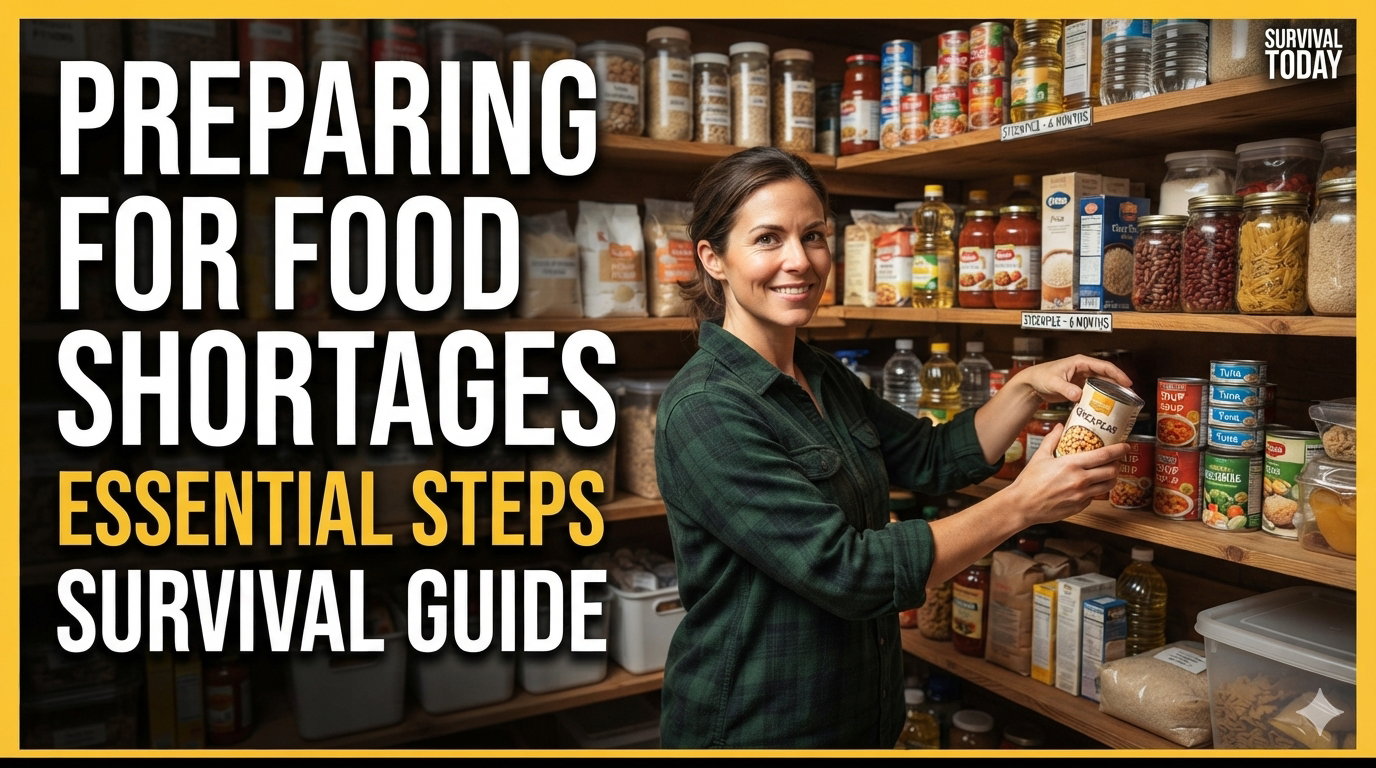
Budget friendly stockpiling is not about panic buying or filling a garage with random cans. It is a calm, planned way to keep your household stable when life gets messy, job hours change, prices jump, storms hit, or a family member gets sick. A 90 day reserve is a practical target because it covers most common disruptions while still being manageable in cost and storage. This guide is written for readers of Search. Support. Truth., and it focuses on building that reserve without wasting money, without buying food you will not eat, and without letting supplies expire.
The key mindset is simple. You are not buying “extra” items. You are shifting when you buy things you already use, and you are building a small personal supply chain in your home. That means you need a plan, an inventory, and a rotation system. You also need to avoid the most common budget traps, like buying bulk sizes you cannot store well, chasing every sale even when it is not a good deal, or stockpiling foods your family dislikes.
Below is a point by point, tip style blueprint. Follow it in order if you are starting from zero, or jump to the sections that fix your weak spots.
- 1) Define what “90 days” means for your household
“90 days” can mean different things. For some families it means 90 days of normal eating. For others it means 90 days of simple meals that meet calories and nutrition with fewer choices. Decide what you are building. If money is tight, start with “90 days of basics” and then upgrade variety over time. Also define who counts, adults, kids, guests you might support, and pets. Your reserve should match reality, not a fantasy menu.
A practical baseline is to plan for three meals per day plus snacks, with extra allowances for high activity seasons. If you have medical diets, allergies, or sensory preferences, bake them in now, because replacing specialty foods later is often expensive.
- 2) Start with a written “use list,” not a shopping list
Most waste comes from buying items you do not actually use. Before you buy anything, write down what your household already eats and uses every week. Include breakfast items, lunch staples, dinner basics, drinks, and snacks. Then list non food essentials like toilet paper, soap, detergent, trash bags, and basic medicines.
Your “use list” becomes your stockpiling roadmap. Stockpiling works best when you slowly extend the runway of everyday items. If you build 90 days of foods you already cook, nothing feels strange, and rotation happens naturally.
- 3) Inventory what you already have, including forgotten areas
Before spending a dollar, do a home inventory. Check the pantry, freezer, fridge, kitchen drawers, garage shelves, and any under bed bins. Count what you have and note expiration dates. Many households discover they already have one to three weeks of food scattered around, plus duplicated items like rice, pasta, and canned tomatoes.
This step prevents double buying and helps you spot gaps. It also builds confidence because you can see that you are not starting from nothing. Use paper, a notes app, or a simple spreadsheet. Keep it simple enough that you will maintain it.
- 4) Set a weekly reserve budget and a timeline that fits your cash flow
Trying to build a 90 day reserve in one shopping trip is how people overspend and waste. Instead, set a small weekly amount, like 10 to 30 dollars, or a percentage of your grocery budget, like 5 to 15 percent. Then choose a timeline, such as 12 weeks, 24 weeks, or 36 weeks.
Longer timelines reduce stress and let sales work in your favor. Even 10 dollars per week adds up to 520 dollars in a year, which is enough for a meaningful reserve if you focus on staples, store brands, and smart deals.
- 5) Use a “levels” system so you always know what to buy next
Create a three number target for each staple: minimum, working, and full. Example for peanut butter: minimum 1 jar, working 2 jars, full 6 jars. When you drop below working, you look for deals. When you hit full, you stop buying. This prevents overbuying and keeps your money available for other gaps.
Apply the same idea to rice, pasta, oats, canned vegetables, canned fruit, tuna, beans, flour, sugar, cooking oil, salt, and household supplies. Your numbers will differ by household size and eating habits.
- 6) Build your reserve from “meal blocks,” not random items
A pantry full of ingredients is good, but a pantry full of “meal blocks” is better. A meal block is a combination that can become a complete meal. Examples: rice plus beans plus salsa, pasta plus sauce plus canned meat, oats plus peanut butter plus dried fruit, canned chili plus crackers, canned chicken plus soup mix plus vegetables.
When you buy, ask: “What meal does this complete?” This reduces waste, improves morale during disruptions, and helps you avoid the mistake of buying only carbs without proteins and flavor.
- 7) Prioritize calories per dollar, then nutrition, then comfort foods
To build a budget reserve, start with staples that deliver a lot of meals for the money: rice, oats, pasta, potatoes, beans, lentils, flour, and shelf stable cooking fats. Then add proteins like canned fish, canned chicken, peanut butter, dry beans, and powdered milk if you use it.
Next add nutrition boosters: canned vegetables, canned fruit, tomato products, broth, spices, and shelf stable sauces. Finally add comfort items like chocolate, cookies, drink mixes, and favorite snacks. Comfort foods matter, but only after the basics are covered.
- 8) Learn unit pricing and ignore “looks cheap” packaging
Unit price is the fastest way to stop wasting money. Compare cost per ounce, per pound, or per count. A larger package is not always cheaper, and a sale sign does not always mean a good deal. Stores sometimes raise the base price before a promotion, or offer “buy more” deals that only help if you will actually use the extras.
If you do nothing else, train yourself to look at unit price every time you buy a reserve item. Over months, that habit can save enough money to fund a bigger reserve.
- 9) Use price targets for your core staples
Create a tiny cheat sheet of “buy prices” for your most important items. Example targets might include: pasta under a certain price per pound, canned tomatoes under a certain price per can, rice under a certain price per pound, and canned tuna under a certain price per can. Your numbers will vary by region.
The point is to stop guessing. When you know your target, you can confidently buy more when it is a good deal, and skip it when it is not. Over time, you will build your 90 day reserve mostly at sale prices.
- 10) Choose store brands for most items, and be selective with name brands
Store brands often come from the same producers as name brands and are a reliable way to cut reserve costs. Use store brands for basics like beans, rice, pasta, flour, sugar, canned vegetables, and oats. Save name brands for items where your family strongly prefers a certain taste, or where performance matters, like a specific detergent.
Being selective prevents the “all or nothing” trap. You can still have a few name brand favorites while keeping the overall reserve budget friendly.
- 11) Buy “boring” ingredients that unlock many meals
The most useful stockpile items are not exciting. They are versatile. Examples include: canned tomatoes, tomato paste, broth, bouillon, onions or onion powder, garlic powder, soy sauce, vinegar, baking powder, yeast if you bake, cornstarch, and cooking oil.
These items turn cheap staples into meals that taste normal. A bag of rice is fine, but rice plus bouillon plus canned chicken plus vegetables becomes a complete dinner. Flavor ingredients are also cheaper than relying on pre made meals.
- 12) Avoid the biggest waste trap, buying food your household will not eat
A deal is not a deal if it becomes clutter or expires. If your family does not eat canned green beans, do not buy a case just because it is cheap. If you hate powdered milk, do not force it into your plan. Build around reality.
If you want to expand your menu, do it slowly. Buy one or two new shelf stable items, test recipes for a month, and only then scale up. This keeps experimentation from turning into waste.
- 13) Use a one in, one out rotation system from day one
Rotation is what makes stockpiling budget friendly. Place new items behind older items. Use the oldest first. If you do this every time, your reserve becomes an extension of your kitchen, not a museum of expired cans.
For pantry shelves, keep similar items together and date them with a marker if needed. For freezers, use bins by category. Rotation prevents the “forgotten stash” problem that causes last minute throwaways.
- 14) Create a simple inventory that takes five minutes per week
You do not need a complex system. A single page list of your main categories can work. Each week, update counts for your top 20 items, like rice, pasta, oats, beans, canned tomatoes, canned vegetables, canned fruit, tuna, peanut butter, oil, flour, sugar, salt, and toilet paper.
The goal is to know what to buy next without wandering the store. When you see you are low on canned vegetables, you can focus your deal hunting there and ignore aisles that are already full.
- 15) Make your reserve “ingredient forward,” not “convenience heavy”
Convenience foods cost more per serving. If you try to build 90 days using mostly boxed meals, microwave items, and individual snacks, your budget will struggle. Aim for ingredients that can be cooked into many dishes, then add a smaller layer of convenience foods for hard days.
A good compromise is to stock ingredients plus a few “no energy” meals, like canned chili, soup, ready rice packs, or shelf stable meals, for illness or power outages when cooking is limited.
- 16) Stock the “boring proteins” that store well and stay affordable
Protein is where budgets often break. Focus on affordable, shelf stable options: dry beans, lentils, canned tuna, canned salmon when on sale, canned chicken, peanut butter, and shelf stable tofu if you use it. If you have freezer space, watch for deep discounts on meat and freeze in meal sized portions.
Do not forget protein variety. Beans and lentils can feel repetitive. Small additions like canned fish, powdered eggs if you use them, and nuts bought on sale can improve nutrition and morale.
- 17) Build a “breakfast reserve” because mornings derail budgets
When breakfast options run out, people overspend on quick food. Stockpile easy breakfasts your household actually eats: oats, cereal, shelf stable milk, pancake mix, syrup, peanut butter, jam, and freezer items if you have space. Include coffee or tea if those are daily essentials.
Breakfast foods are usually cheaper than lunch and dinner foods, so this is a cost effective way to expand your reserve quickly. It also reduces stress during disruptions, because mornings stay predictable.
- 18) Do the same for lunches, especially if you pack meals
Lunches quietly drain money when you are unprepared. Stockpile lunch staples: canned soups, crackers, canned tuna, mayo packets or shelf stable mayo if appropriate, pasta for quick salads, peanut butter, tortillas, and shelf stable snacks like applesauce cups if you use them.
If you normally buy lunch at work, build a “work week backup” first. Five days of simple lunches per person can save a lot of money during a rough month, and it is a stepping stone toward the full 90 days.
- 19) Include hydration and water planning, without overspending on bottled water
Water is essential, but it can become expensive if you rely only on individual bottles. Consider a combination: stored water in food safe containers, a simple water filter for drinking, and a small buffer of bottled water for grab and go. Your best option depends on your space and local water reliability.
Also stock drink mixes if they help kids drink water, plus electrolyte packets for illness. These are cheap insurance and take little space.
- 20) Stock spices and condiments as “morale multipliers”
Plain staples can cause appetite fatigue. Spices and condiments are small but powerful. Stock salt, pepper, chili powder, cumin, Italian seasoning, cinnamon, hot sauce, soy sauce, vinegar, mustard, and bouillon. Choose based on your usual cuisine.
This is also where you can avoid expensive “specialty meals.” With a solid spice rack, beans can become tacos one night and curry the next. Better taste means less waste because people actually eat what you cook.
- 21) Plan for cooking fuel and no power days, so food does not spoil
A 90 day reserve can fail if you cannot cook it. Think about your likely scenarios. Short outages may only require shelf stable meals and a way to heat water. Longer outages might require a safe outdoor cooking method and extra fuel. Follow local safety rules and never use indoor fuel that creates carbon monoxide.
At minimum, keep no cook foods: canned meals, nut butter, crackers, ready to eat fruit, and shelf stable milk. This prevents waste when the stove is unavailable.
- 22) Store smarter, not bigger, and match packaging to your space
Bulk purchases only save money if you can store them safely. Heat, moisture, pests, and light can ruin food. Use airtight containers for flour, sugar, rice, and cereal. Keep items off concrete floors if you store in a garage or basement. Use clear bins so you can see what you have.
If you live in a small space, prioritize compact foods with high value per cubic inch, like rice, pasta, beans, canned meats, and shelf stable sauces. A well organized closet can hold more than a chaotic basement.
- 23) Avoid “deep pantry duplicates” by organizing by category and date
Duplicates happen when you cannot see what you own. Group similar items together: all canned tomatoes in one place, all beans together, all breakfast items together. Face labels forward. Put the soonest to expire in front. This simple approach reduces accidental double buying.
If you have kids or multiple shoppers, add a note on the pantry door listing what is already overstocked. Coordination is a hidden money saver for large households.
- 24) Build a small “health and hygiene reserve” alongside food
During disruptions, small items become expensive or hard to find. Include soap, toothpaste, toothbrushes, toilet paper, feminine hygiene products, diapers if needed, laundry detergent, dish soap, trash bags, and basic first aid. Add the over the counter medicines your family actually uses, such as pain relievers, allergy meds, stomach remedies, and oral rehydration options.
Buy these slowly during sales. Hygiene is part of not wasting money because it reduces illness spread and prevents emergency last minute shopping.
- 25) Stock a “pantry repair kit” to prevent food waste and last minute spending
Small support items keep your reserve usable: extra can opener, measuring cup, foil, storage bags, parchment paper if you bake, food labels, a marker for dates, and a few basic containers. If you cannot open cans or store leftovers, you waste food and spend more later.
This is also a good place to keep a simple printed list of meals you can make from pantry items. When you are stressed, decision fatigue leads to expensive choices.
- 26) Use a “sale cycle” strategy instead of buying whenever you feel like it
Many grocery items follow a predictable sale cycle. If you track prices for a few months, you will notice patterns, like canned goods sales every few weeks, or baking items discounted seasonally. Plan your reserve purchases around those cycles.
This helps you build quickly without paying full price. It also reduces the temptation to buy random extras, because you know another sale is coming.
- 27) Treat coupons and apps as a bonus, not a job
Coupons can help, but only if they apply to items you already buy. Do not chase coupons that pull you into expensive products or unnecessary quantities. Set a time limit, such as 10 minutes per week, to check store apps for discounts on your core list.
A smart approach is to combine one sale plus one coupon plus a store reward when possible. If it becomes complicated, skip it. Consistency beats perfection for building a 90 day reserve.
- 28) Create a “two week test” before you stock a new item deeply
When you find a new shelf stable product that seems useful, test it. Buy only enough for two weeks of meals. Cook with it multiple ways. See if your household likes it, and see if it causes digestion issues or boredom.
After the test, decide whether it becomes a core reserve item. This simple habit prevents the common mistake of buying a case of something that ends up donated or thrown away.
- 29) Use freezer space strategically, and portion to prevent spoilage
If you have a freezer, it can be your budget secret weapon. Buy meat, bread, and frozen vegetables when heavily discounted. Portion meats into meal sized packages before freezing. Freeze shredded cheese in smaller bags. Label everything with the date.
Freezer stockpiling is only budget friendly if you can keep track of it. Use bins like “meat,” “veg,” and “ready meals.” A messy freezer becomes a graveyard of freezer burn.
- 30) Plan “pantry weeks” to rotate stock and save money immediately
Once per month, run a pantry week, meaning you buy very little and cook mostly from stored food. This forces rotation, reveals gaps, and saves money. Pantry weeks also teach you what combinations work, which helps you stockpile more intelligently.
If a full week feels too hard, start with pantry weekends or three pantry dinners per week. The goal is to make your reserve a living system, not a static pile of supplies.
- 31) Make simple substitutions part of your plan, so you are never “missing one thing”
Wasted money often comes from special trips to buy one missing ingredient. Learn substitutions that keep meals flexible: dried onion for fresh, canned vegetables for fresh, powdered milk in baking, vinegar plus milk as a buttermilk substitute, cornstarch as a thickener, and beans as a partial meat replacement.
Keep a small substitution list in your pantry. Flexibility is a form of preparedness and a direct budget saver.
- 32) Balance shelf life with actual usage, and do not fear expiration dates blindly
Many shelf stable foods remain safe past “best by” dates if stored properly, though quality can decline. The goal is still to rotate and use items before they age too much. Use dates as a management tool, not a panic trigger. When in doubt, follow reputable food safety guidance and trust your senses for quality issues like odor, color changes, or damaged cans.
To reduce anxiety, aim to eat from your reserve regularly. A working pantry means you are not stuck with foods that are years old.
- 33) Do not forget pet supplies, and rotate them too
If you have pets, include them in your 90 day reserve. Stock their food, treats, any needed litter, and basic medications. Pet food also expires, especially after opening, so rotate just like human food. Buy sizes you can use before they go stale.
Keep an extra leash, waste bags, and a small travel kit. During disruptions, pet stores may be closed or picked over. Planning ahead prevents expensive emergency purchases.
- 34) Protect your budget with “stop rules” and avoid stockpiling ego
Some people overspend because stockpiling becomes emotional. Set stop rules: do not buy more if you are already at your “full” level, do not buy new categories until you meet minimums in core categories, and do not use credit card debt to build a reserve.
A reserve is supposed to reduce stress, not create it. Your best stockpile is the one you can afford, store, and maintain. Quiet consistency beats dramatic hauls.
- 35) Turn your plan into a simple 90 day reserve checklist
To make all of this actionable, create a checklist by category: grains, proteins, vegetables, fruits, fats, baking, snacks, drinks, hygiene, medical, and pet. Put your minimum, working, and full targets next to each item. Then each week, buy only what moves you toward the next target, preferably at or below your price goal.
As you improve, you can add variety, specialty foods, and deeper reserves beyond 90 days. But 90 days is already a strong foundation, and it can be built without wasting money if you follow a system.
Putting it all together, a realistic approach
If you want a simple starting path, do this for the next four weeks: Week 1, inventory and set targets. Week 2, build breakfast and two easy dinners. Week 3, build lunch basics and canned vegetables. Week 4, add proteins and hygiene items. After that, repeat the cycle, buying only what is below your working level and focusing on sale cycles.
Over time, your home becomes more stable. You waste less food because you rotate. You spend less because you buy at good prices and avoid last minute trips. And you gain something that is hard to price, peace of mind that you can feed your household for 90 days with what you already have.