Top 10 Impacts of El Nino on Water, Agriculture, Energy, and Supply Chains in the US
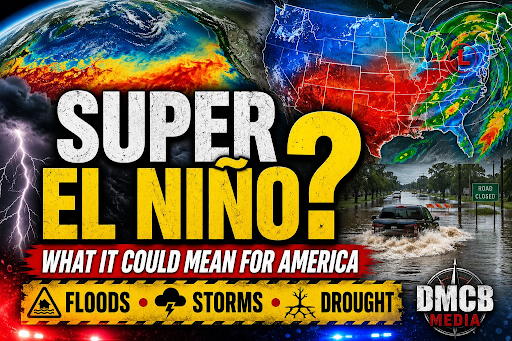
Search. Support. Truth. El Nino is a recurring climate pattern linked to unusually warm sea surface temperatures in the central and eastern tropical Pacific Ocean. Those ocean temperature shifts can reorganize the atmosphere, change the path of the jet stream, and tilt the odds toward certain weather outcomes across the United States. El Nino does not cause the same result every time, and local outcomes depend on timing, intensity, and the interaction with other climate drivers. Still, it reliably changes risk profiles that matter for water systems, farms, energy planners, and the supply chains that connect them.
This article summarizes the top 10 ways El Nino can affect water, agriculture, energy, and supply chains in the US. Each point explains what tends to happen, why it matters economically and operationally, and how decision makers can prepare. Think of this as a practical risk checklist rather than a deterministic forecast.
How to use this list
- Pair it with outlooks from NOAA and regional climate centers for your season and region.
- Translate climate odds into operational triggers, such as reservoir rule curves, planting windows, fuel procurement timelines, and inventory buffers.
- Revisit monthly. El Nino evolves, and impacts often arrive in pulses, such as a few major storm cycles, a prolonged warm spell, or a late season shift.
1) Snowpack and runoff timing shifts that change Western water availability
One of the most consequential El Nino pathways for the US is how winter temperature and precipitation patterns affect snowpack, especially in the mountains that feed the Colorado River Basin, California watersheds, the Great Basin, and parts of the Pacific Northwest. In many El Nino events, the southern tier, including portions of California and the Southwest, has increased odds of wetter storms, while the Pacific Northwest can tilt drier and warmer. Even where total precipitation rises, warmer storms can fall as rain instead of snow, and that changes the timing of water supply.
Why it matters for water Snow is a natural reservoir. When more precipitation arrives as rain, runoff can surge in winter, then decline in late spring and summer. That challenges reservoir operators who must balance flood control space with water supply storage. Earlier snowmelt also increases the likelihood that peak flows occur before peak water demand, when irrigation and municipal use rise.
Why it matters for agriculture Earlier runoff can reduce late season irrigation reliability and increase pumping costs as growers rely more on groundwater during summer. It can also compress fieldwork windows, because wet winters delay orchard access, soil preparation, and early season planting.
Why it matters for energy Hydropower availability depends on both volume and timing. Winter runoff can create short hydropower abundance followed by summer deficits. That affects power prices and the need for firming resources, especially during heat waves.
Supply chain knock ons Water timing affects everything from food processing schedules to rail and truck demand for agricultural inputs. Hydropower shifts can change industrial electricity rates and the economics of cold storage and irrigation pumping.
Practical preparedness steps
- Water agencies can stress test reservoir operations for earlier runoff and higher winter inflow volatility, using scenario inflow ensembles rather than a single hydrograph.
- Growers can review irrigation plans that assume less late season surface water, and line up alternative supplies, pump maintenance, and energy contracts for peak irrigation demand.
- Utilities can plan for hydropower timing risk with seasonal hedges, flexible gas procurement where applicable, and demand response readiness for summer peaks.
- Logistics teams can pre position critical treatment chemicals, spare pumps, pipe, and gate parts before winter storm cycles strain transportation.
2) Flood risk and extreme storm sequences that damage infrastructure
Many El Nino events increase the odds of strong storm tracks into the southern US and parts of the West Coast during winter. In California, for example, a subset of El Nino winters has featured repeated atmospheric river events, which can deliver intense rainfall over short periods. The key operational challenge is not just one storm, but clusters of storms that keep soils saturated, reduce infiltration, and turn moderate rainfall into major flooding.
Why it matters for water Flooding threatens levees, dams, canals, and urban drainage. Turbidity spikes can overwhelm treatment plants, forcing shifts in intake operations or temporary shutdowns. Floods can also contaminate wells, overload combined sewer systems, and damage monitoring equipment that operators rely on to manage releases safely.
Why it matters for agriculture Flooded fields delay planting and can cause crop loss, especially for high value vegetables and berries in low lying areas. Orchard and vineyard damage can occur if root zones remain waterlogged for extended periods. Agricultural roads and on farm storage can be washed out, disrupting harvest and input deliveries.
Why it matters for energy Floodwater can disrupt substations, underground distribution networks, and fuel terminals. Hydropower plants may need to spill water for safety, reducing generation value even when water is abundant. Storm damage also increases restoration costs and mutual aid mobilizations.
Supply chain knock ons Floods close highways, wash out rail lines, and constrain port and warehouse operations. Disruptions can ripple through refrigerated supply chains, packaging availability, and retail pricing.
Practical preparedness steps
- Inspect, clear, and map priority drainage assets, culverts, and debris basins before peak storm months. Pre arrange debris hauling contracts.
- For treatment plants, confirm backup power, chemical inventory, and turbidity surge protocols. Consider alternate intake depths or sources if available.
- For farms, evaluate field drainage, tailwater return capacity, and insurance coverage for flood related losses. Identify which parcels are most vulnerable and plan alternate planting sequences.
- For logistics, diversify routes and pre qualify alternate carriers for key lanes. Increase buffer stock for perishable packaging and critical spare parts.
3) Drought intensification in some regions, plus wildfire and smoke impacts
El Nino can increase precipitation in some places while decreasing it elsewhere. The Pacific Northwest and parts of the Northern Rockies can experience warmer, drier conditions during many El Nino winters, which may reduce snowpack and set up summer water stress. Even in regions that see winter rain, a warm spring followed by a dry early summer can dry fuels quickly. The outcome is a two sided risk landscape, floods in some basins and drought or fire in others, sometimes within the same state.
Why it matters for water Drier winters reduce reservoir refill odds and can lead to earlier and stricter conservation measures. Wildfire increases sediment and ash runoff risk, which can degrade source water quality for years after the burn, forcing expensive treatment upgrades or new intake strategies.
Why it matters for agriculture Drought raises irrigation demand and increases dependence on groundwater. In fire prone regions, smoke can reduce labor productivity, disrupt harvest schedules, and degrade produce quality. Fire can also damage irrigation infrastructure, fencing, and processing facilities.
Why it matters for energy Wildfire drives public safety power shutoffs in some service territories and increases transmission constraints. Drought reduces hydropower and can restrict cooling water availability for thermal plants in some regions. Smoke can reduce solar generation and increase maintenance needs for filters and cooling systems.
Supply chain knock ons Fire closures can sever key freight corridors. Smoke can disrupt aviation, delay time sensitive shipments, and increase health and safety costs for outdoor logistics workforces. Drought can reduce agricultural output, raising commodity prices and changing sourcing patterns.
Practical preparedness steps
- Water utilities can plan for post fire water quality scenarios, including activated carbon needs, alternate sources, and watershed protection projects.
- Farm operators can update drought contingency plans, secure pumping capacity, and evaluate heat and smoke protocols for workers.
- Grid operators and large energy users can model wildfire related transmission derates and plan for backup generation or load shifting during high risk periods.
- Supply chain managers can map critical corridors through fire prone areas and set triggers for reroutes, mode shifts, and inventory repositioning.
4) Irrigation demand swings and groundwater stress in key agricultural regions
El Nino influences not only how much precipitation falls, but when it falls relative to crop water needs. A wet winter does not always translate into reduced irrigation demand if spring turns warm and dry, or if winter precipitation runs off quickly rather than soaking into soil profiles and aquifers. In irrigated regions like California’s Central Valley, Arizona, southern Idaho, and parts of the High Plains, irrigation demand is a product of temperature, humidity, wind, and the timing of storms.
Why it matters for water When surface allocations are uncertain, pumping increases. That can accelerate groundwater declines, raise energy costs, and increase the risk of land subsidence that damages canals, pipelines, and roads. In places with groundwater sustainability requirements, demand swings can force tough allocation and cropping decisions.
Why it matters for agriculture Uncertainty in irrigation supply can shift crop mix away from thirsty annuals or toward higher margin per unit water crops, depending on local constraints and contracts. It can also change timing of fertilizer applications and increase salinity risk if leaching fractions decline.
Why it matters for energy Irrigation pumping is a major electric load in summer. When pumping surges, it can raise peak demand, affect distribution reliability, and increase exposure to real time price spikes. Diesel pumping demand can also rise, stressing fuel supply in rural areas.
Supply chain knock ons Higher irrigation demand increases demand for pumps, motors, pipe, filters, and drip components, sometimes colliding with seasonal shortages. It can also shift demand for fertilizer and crop protection products if acreage and planting dates change.
Practical preparedness steps
- Monitor soil moisture, evapotranspiration forecasts, and reservoir allocation signals, then convert them into irrigation schedules and acreage triggers.
- Audit pumping efficiency, repair leaks, and consider variable frequency drives where economically justified to reduce peak load and energy costs.
- Coordinate with utilities on time of use rates, demand response opportunities, and feeder capacity constraints during peak irrigation months.
- For input suppliers and lenders, anticipate shifts in equipment demand and working capital needs when growers pivot plans mid season.
5) Crop yield volatility from temperature and moisture pattern changes
El Nino can tilt winter temperatures warmer in the northern US and alter storm tracks that affect spring fieldwork across the Plains and Midwest. The result can be a mix of earlier snowmelt, wetter spring soils in some areas, and warmer overnight temperatures that influence crop development. Yield impacts depend on crop type and critical growth stages. For example, excessive moisture during planting can reduce stand establishment, while heat during pollination can sharply reduce yields for some crops.
Why it matters for water When planting is delayed, peak irrigation may shift later into the hottest part of summer, raising water demand at the worst time. Wet springs can also increase nutrient runoff into rivers and reservoirs, worsening algae risks and increasing treatment needs for downstream water utilities.
Why it matters for agriculture Producers face operational risks, such as field access delays, replanting costs, disease pressure, and harvest timing issues. Specialty crops face quality risks, including size, sugar content, and storage life. In perennial systems, warm winters can reduce chill accumulation, affecting fruit set.
Why it matters for energy Yield volatility affects bioenergy supply chains, such as ethanol feedstocks, biodiesel oils, and biomass availability. It also affects rural load patterns, including grain drying needs, which are sensitive to harvest moisture content and autumn weather.
Supply chain knock ons Yield swings propagate into barge, rail, and export flows. When harvest timing shifts, the demand for trucks, labor, and storage becomes more volatile. Food manufacturers may need to adjust sourcing, recipes, and inventory planning due to quality differences.
Practical preparedness steps
- Use seasonal climate probabilities to inform seed selection, planting windows, and fungicide plans, especially for crops sensitive to wet conditions.
- Strengthen grain and produce storage readiness, including aeration, temperature monitoring, and contracts for supplemental drying capacity.
- For food and feed buyers, diversify sourcing regions and pre negotiate substitution options when quality specs are threatened.
- For transport planners, align capacity with shifting harvest windows, and plan surge labor strategies for compressed harvest periods.
6) Pests, weeds, and plant disease pressure changes that raise input and labor needs
Weather variability is a powerful driver of pest and disease dynamics. Warmer winters can increase overwinter survival for some insects. Wetter conditions can promote fungal diseases, while drought stress can make plants more susceptible to certain pests. El Nino years often reshape these pressures regionally, changing the timing and intensity of outbreaks and increasing uncertainty for scouting and spray schedules.
Why it matters for water Higher pesticide and nutrient application pressure can elevate runoff risks during heavy rains, affecting rivers and reservoirs. Water utilities may face episodic increases in treatment complexity, such as taste and odor compounds or algae blooms linked to nutrient pulses.
Why it matters for agriculture Input costs can rise through increased chemical use, more frequent scouting, and labor needs. Wet field conditions can restrict sprayer access, forcing aerial application or delayed treatments. Weed pressure can also increase if wet winters boost early growth, raising herbicide demand and resistance management challenges.
Why it matters for energy Increased irrigation and field operations mean higher fuel use and electricity demand. Chemical manufacturing and distribution can also see demand spikes that stress production schedules and logistics.
Supply chain knock ons Demand surges for crop protection products can collide with tight inventories and long lead times. Transportation disruptions from storms can delay delivery of time sensitive inputs, creating cascading yield losses.
Practical preparedness steps
- Build a weather informed integrated pest management plan that includes scouting thresholds, alternate products, and contingency application methods.
- Coordinate with suppliers early on high risk products, especially those with limited manufacturing windows or import dependencies.
- Strengthen runoff and nutrient management practices, such as buffer strips, variable rate application, and timing to avoid forecast heavy rain.
- For distributors, plan regional repositioning of inventory and ensure cold chain needs for biological products are protected during outages.
7) Livestock and dairy impacts from heat, mud, forage variability, and water quality
El Nino can influence winter and spring storminess, which affects pasture conditions, mud risk, and forage growth. It can also tilt temperatures, including warmer winter nights in some regions and hot spells that raise heat stress risks later in the year. Livestock systems are sensitive to both extremes, saturated conditions that increase disease and lameness, and heat that reduces intake and productivity.
Why it matters for water Livestock operations require reliable water quantity and quality. Flooding can contaminate surface sources and wells with pathogens and sediment. Drought can reduce availability in ponds and shallow aquifers. Water quality issues can increase treatment and hauling needs.
Why it matters for agriculture Forage yield and quality can swing with precipitation timing. Excess rain can delay hay cutting and reduce nutritional value. Drought can reduce pasture carrying capacity, forcing earlier supplemental feed purchases. Animal health costs can increase due to respiratory issues during smoke events or high humidity conditions that favor disease.
Why it matters for energy Cooling systems for dairies and poultry houses raise electricity demand during heat. Manure management systems can face constraints during heavy rainfall, affecting biogas operations and compliance costs.
Supply chain knock ons Feed markets respond quickly to forage shortfalls, affecting transport demand for hay and grain. Meat and dairy processors may see throughput variability, while cold storage and distribution costs change with energy price swings.
Practical preparedness steps
- Plan for both wet access issues and heat stress, including shade, ventilation, cooling, and backup power for pumps and fans.
- Protect water sources, test wells after floods, and develop contingencies for hauling or alternate sourcing during contamination events.
- Lock in feed supply options and transport capacity early if regional forage outcomes look uncertain.
- For processors, maintain flexible staffing and inventory plans to handle variable inflows and energy cost volatility.
8) Hydropower variability and multi sector competition for water
Hydropower output is tightly coupled to precipitation, snowpack, reservoir operations, and environmental flow requirements. El Nino can create situations where water is abundant in one season and scarce in another, or abundant in one basin and scarce in another. Hydropower operators must also coordinate with flood control and ecosystem requirements, which can force spills during storm periods and reduce generation even when inflows are high.
Why it matters for water Water managers may face intensified competition among municipal supply, irrigation, hydropower, recreation, and environmental needs. In wet winters, flood control releases may reduce carryover storage, while in dry winters, conservation measures may reduce releases that hydropower relies on.
Why it matters for agriculture Where irrigation deliveries depend on shared reservoirs, hydropower scheduling and flood control constraints can influence delivery reliability and timing. Earlier releases to maintain flood space can reduce late season water for crops.
Why it matters for energy Hydropower is valuable as a flexible resource that can ramp quickly to balance wind and solar. Variability can increase reliance on gas peakers, storage, or imports. In regions with high renewable penetration, hydropower timing is a key factor in curtailment and price dynamics.
Supply chain knock ons Changes in power prices and reliability affect water treatment costs, food processing, cold storage, and manufacturing. Hydropower variability can also influence demand for grid scale batteries, transformers, and control systems, stressing already constrained equipment supply chains.
Practical preparedness steps
- Jointly plan water and energy operations using coordinated scenarios, not single sector forecasts. Include environmental compliance constraints explicitly.
- For energy planners, secure flexible capacity and review transmission constraints that may bind during storm damage periods or drought driven import needs.
- For large water and agricultural pumps, evaluate participation in demand response programs that can monetize flexibility during grid stress.
- For procurement teams, anticipate long lead items like transformers and switchgear, and place orders early when seasonal risk rises.
9) Electricity demand shifts, fuel logistics pressure, and grid reliability risks
El Nino often raises the odds of warmer than average conditions in parts of the northern US during winter, which can reduce heating demand. At the same time, storminess in some regions can increase outage risk, and warmer conditions can increase the likelihood of early season heat that pushes up cooling demand. The combined effect is not simply higher or lower demand, but greater uncertainty and more volatile peaks that stress both generation and distribution.
Why it matters for water Water and wastewater systems are energy intensive and depend on reliable power for pumps, treatment, and communications. Outages during floods are especially dangerous because flows are high and access is limited. Drought periods can also increase energy use for pumping and deeper groundwater lifts.
Why it matters for agriculture On farm energy use can spike due to irrigation, heating for greenhouses, ventilation for livestock, and grain drying. If storms damage feeders or substations, downtime can cause direct losses in livestock systems and disrupt irrigation schedules during heat.
Why it matters for energy Fuel supply logistics can be strained by weather disruptions. Floods can affect refineries, pipelines, and terminals, while cold snaps, even in generally warm winters, can create sudden gas demand spikes. Renewable output can also vary, storm clouds and smoke affect solar, and unusual wind patterns can affect wind generation profiles.
Supply chain knock ons Power disruptions affect manufacturing, warehousing, and cold chain integrity. Even brief outages can cause product loss in refrigerated facilities, while extended outages can stop production lines and delay shipments across the country.
Practical preparedness steps
- Critical facilities should validate backup power, fuel supply, and automatic transfer performance under realistic load. Include communications and control systems, not just pumps.
- Utilities can pre stage crews and materials in regions where storm tracks increase outage odds. Coordinate mutual aid early.
- Large energy users can review hedging, flexible load plans, and on site storage for fuels or thermal energy where feasible.
- Supply chain operators can harden cold storage with redundancy, temperature monitoring, and contingency re routing to alternate facilities.
10) Transportation, port, and inland logistics disruptions that ripple through national supply chains
El Nino impacts become economically visible when weather hazards intersect with the physical networks that move goods, water, and energy. Heavy rain and floods can close highways, damage bridges, and trigger landslides that shut rail corridors, especially in mountainous terrain and along coastal bluffs. Storm surge and high winds can slow port operations. At the same time, drought in other regions can reduce river levels and constrain barge traffic, affecting bulk commodities such as grain, fertilizer, coal, and petroleum products.
Why it matters for water Utilities depend on timely delivery of treatment chemicals, such as chlorine, alum, and polymers, and on specialized repair parts. Transportation disruptions can turn a manageable equipment failure into a prolonged service issue. Flooding can also slow wastewater biosolids hauling and create storage capacity problems.
Why it matters for agriculture Farmers and processors rely on just in time delivery of seed, fertilizer, packaging, and labor. Delays during planting and harvest windows can cause irreversible losses. Export flows, especially from West Coast and Gulf ports, can be disrupted by storms, changing basis levels and farm gate pricing.
Why it matters for energy Fuel supply chains depend on pipelines, terminals, rail deliveries for some fuels, and marine shipments. Storms can restrict ship movements, reduce terminal throughput, and create regional price spikes. Transmission repair logistics also depend on transportation access to damaged rights of way.
Supply chain knock ons Weather disruptions increase lead times, reduce schedule reliability, and raise costs for expedited freight. They also amplify the bullwhip effect, where small delays trigger over ordering and inventory swings across tiers. Companies that source globally may also see El Nino related disruptions outside the US, which can compound domestic transport issues.
Practical preparedness steps
- Map tier 1 and tier 2 supplier locations against flood, landslide, and wildfire exposure, then qualify alternates for the most critical parts and inputs.
- Increase resilience stocks for items with low substitutability, long lead times, or high regulatory burden, such as water treatment chemicals and specialized electrical gear.
- Build trigger based playbooks for rerouting, such as switching from rail to truck, shifting ports, or repositioning inventory ahead of forecast storm sequences.
- Use contracts that include force majeure clarity, surge capacity options, and shared visibility data, such as GPS tracking and estimated time of arrival feeds.
Cross sector metrics to monitor during an El Nino year
- NOAA Climate Prediction Center outlooks, including precipitation and temperature probabilities, updated monthly.
- Snow water equivalent and reservoir storage relative to seasonal averages in your source basins.
- Soil moisture and evapotranspiration anomalies that predict irrigation demand and fire risk.
- River stage forecasts and flood watch frequency for key transportation corridors.
- Wholesale electricity price volatility, hydropower availability, and transmission constraints in your region.
- Port dwell times, rail service metrics, and trucking spot rates for early signs of congestion.
Bottom line El Nino is best understood as a risk multiplier, not a single outcome. It can increase the odds of wet winters and flood episodes in some regions while raising drought and fire risks in others. Because water, agriculture, energy, and supply chains are tightly linked, a disruption in one domain often cascades into the others. The most cost effective response is usually early planning, scenario based operations, diversified sourcing and routing, and clear triggers for when to shift from normal operations to contingency mode.