Top 25 Essentials to Prepare for Power Grid Failure at Home
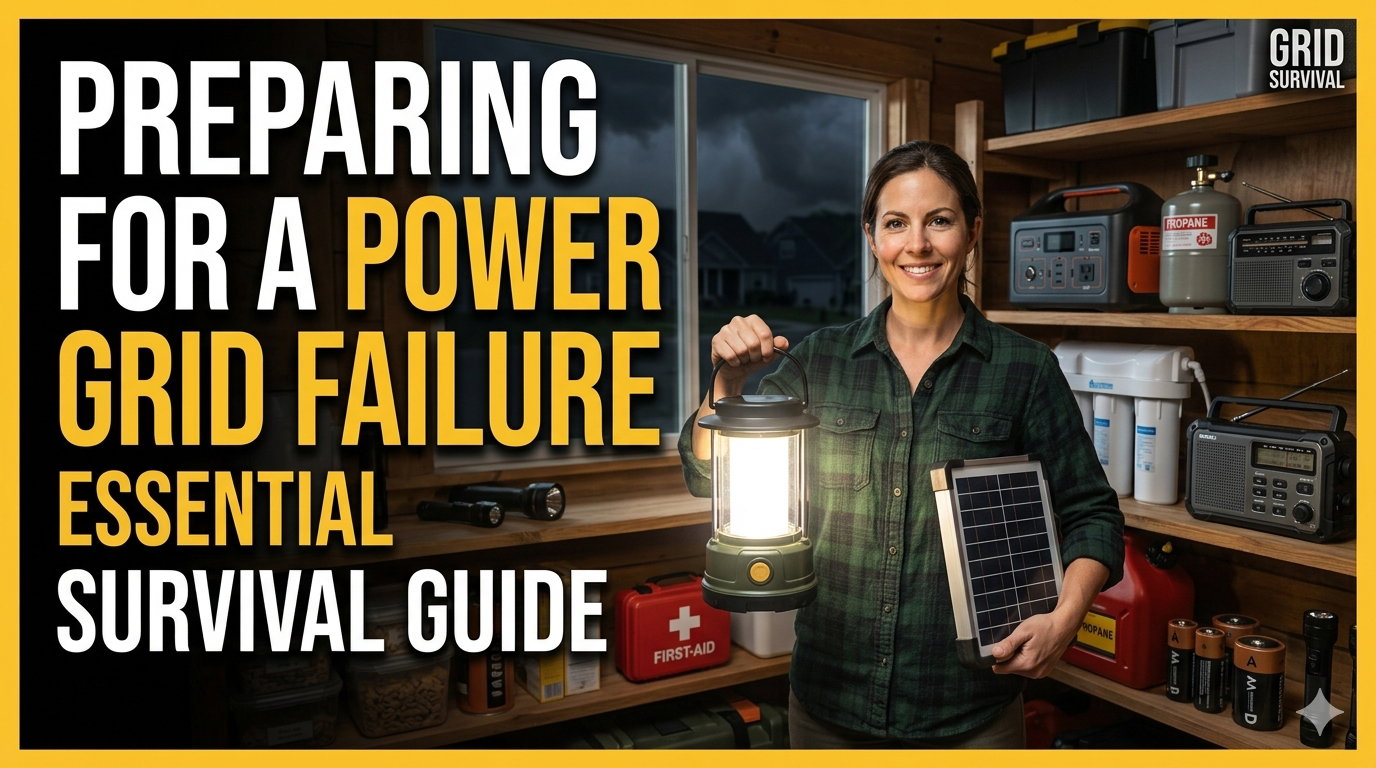
Search. Support. Truth. exists for moments when clarity matters most, and few household risks create more confusion than an extended power outage. A brief blackout is inconvenient, but a true power grid failure can last days or weeks, disrupt fuel delivery, limit banking and communications, and make everyday needs like clean water and refrigeration much harder.
This checklist is built for realistic home preparation, not fantasy scenarios. The goal is to stay safe, keep your family healthy, preserve essential routines, and reduce panic if the grid goes down. You do not need everything at once. Start with the basics that cover water, food, medical needs, light, sanitation, and communication, then add resilience step by step.
Below are the top 25 essentials to prepare for power grid failure at home. Each point includes what to buy or set up, why it matters, and practical tips for using it.
- 1. Stored water supply, minimum 1 gallon per person per day
Water is the fastest moving priority because dehydration, cooking needs, and basic hygiene add up quickly. A realistic baseline is at least 1 gallon per person per day, and many households aim for 2 gallons in hot climates or for higher hygiene needs. Plan for at least 7 to 14 days if storage space allows.
Use food grade containers, labeled with fill dates. Store some water in smaller containers that are easy to carry if you must move around the house or help a neighbor. If you have pets, add their needs too. Keep extra water for flushing if you rely on a septic system that may need water to operate properly.
Rotate stored water periodically. If you use commercially bottled water, still rotate it for taste and container integrity. Make it a routine, like checking smoke detectors.
- 2. Water filtration and purification, filter plus a chemical backup
Stored water runs out. A long outage may also disrupt municipal treatment, well pumps, or building pressure. A gravity filter or pump filter gives you a way to use water from a rain barrel, hot water heater, nearby creek, or a neighbor’s pool if appropriate. Choose a filter rated for bacteria and protozoa, and understand its limits.
Add chemical purification as a backup, such as unscented household bleach or water purification tablets. Chemicals are lightweight and store well, but require correct dosing and contact time. Keep printed dosing instructions because you may not have reliable internet.
Include a few collapsible water containers to collect water safely, plus a clean bucket reserved only for water tasks.
- 3. Method to access water in your home system, hot water heater and pipes
Many homes already contain 30 to 80 gallons of potable water in the water heater tank. Learn how to safely drain it using the spigot, and store a short garden hose that fits the drain valve. If the grid fails and pressure drops, that stored water becomes a key reserve.
If you have a well, identify how to access water without the electric pump. Some properties can add a hand pump to a well, or install a generator inlet and transfer equipment to run the pump safely.
Also learn how to shut off the main water valve. During a grid event, a broken main or contamination advisory can turn your plumbing into a risk. Being able to isolate your home quickly protects your stored water and reduces damage.
- 4. Shelf stable food for 14 to 30 days, built around meals you already eat
Food preparation should reduce stress, not add it. Stock shelf stable foods that your household already tolerates and enjoys, and build complete meals, not random ingredients. Think canned proteins, canned vegetables, beans, rice, pasta, oats, nut butters, shelf stable milk, and ready to eat soups.
Plan for calories, protein, and variety. Appetite and morale matter during a stressful event, especially for kids. Include snacks that hold up in heat, like trail mix and crackers. If anyone has allergies or medical diets, prioritize those foods early.
Use a rotation system. Eat what you store and store what you eat. Label items with a marker and build your pantry in layers so older items move forward.
- 5. Manual can opener and non electric kitchen tools
A pantry full of cans is useless if you cannot open them. A durable manual can opener is essential, and having a backup is smart. Add simple tools that replace electric appliances, such as a manual knife sharpener, box grater, potato masher, and hand powered whisk.
Include a small cutting board, a sturdy chef’s knife, and a safe way to wash and sanitize tools. If water is limited, wipe and sanitize rather than running water constantly. Keep a small bottle of dish soap and a spray bottle with diluted bleach solution for surfaces.
Also consider paper plates and compostable bowls to reduce dishwashing during the first days when water is most precious.
- 6. Safe indoor lighting, headlamps first, then lanterns
When the grid fails, the dark increases injury risk and stress. Prioritize headlamps because they keep hands free for cooking, caregiving, and repairs. Add LED lanterns to light a room and reduce the temptation to use candles.
Candles increase fire risk, especially when people are tired. If you keep candles, store them with stable holders and keep them away from children, pets, curtains, and bedding. Safer options include battery lanterns, rechargeable work lights, and small plug in night lights for generator use.
Place lights strategically. Keep one headlamp in each bedroom, plus a lantern near the bathroom and kitchen.
- 7. Battery strategy, standard cells plus rechargeable packs
Many critical devices rely on batteries, including flashlights, radios, thermometers, and sensors. Stock common sizes your gear uses, usually AA and AAA. Store them in a cool, dry place and avoid mixing old and new cells.
Complement disposable batteries with rechargeable options. High quality rechargeable AA and AAA sets with a charger can reduce long term costs and waste. For longer outages, add a USB power bank system that can be topped up by a car charger or solar panel.
Keep a simple inventory list. During emergencies, people often waste batteries by trying random cells. Organizing them in labeled bins saves time and frustration.
- 8. Power banks and phone charging plan, including car charging
Phones become lifelines for information, navigation, and family coordination, but they drain quickly when searching for signals. Own at least one high capacity power bank per adult, plus cables for every device. Keep the banks charged as part of your weekly routine.
Plan multiple charging paths. A 12V car charger and a USB adapter allow you to charge phones from a vehicle. If you live in an apartment, identify a safe way to access your car during an outage and a plan for security while charging.
Also reduce phone drain. Turn on low power mode, reduce screen brightness, and download offline maps and key documents in advance.
- 9. Solar charging option for small electronics
Even a modest solar setup can keep communication tools running. A foldable solar panel in the 20W to 100W range paired with a power bank is a practical entry point. It can charge phones, headlamps, radios, and small USB devices without fuel or noise.
Practice using it before you need it. Solar charging is slower in shade, bad weather, or winter sun angles. Learn where in your yard, balcony, or window you get the best exposure and how to secure the panel against wind.
Solar will not replace a whole home system for most people, but it can protect the most important functions, communication and light, with relatively low complexity.
- 10. Generator plan or alternative backup power, with safe connections
A generator can run refrigeration, a well pump, a furnace blower, and critical outlets, but it must be used correctly. Carbon monoxide kills. Never run a generator in a garage, carport, basement, or near open windows. Use a battery powered carbon monoxide alarm in addition to built in home alarms.
Decide between a portable generator, an inverter generator for cleaner power, or a permanently installed standby generator. If you choose portable, consider adding a generator inlet and interlock or transfer switch installed by a qualified electrician. This prevents backfeeding that can kill line workers and damage equipment.
If a generator is not feasible, focus on smaller scale resilience: solar, power banks, propane heaters rated for indoor use, and better insulation strategies.
- 11. Fuel storage and stabilization, treated and rotated
If you plan to run a generator, fuel becomes a bottleneck. Store only approved amounts for your location and follow local fire codes. Use approved containers, keep them away from ignition sources, and label them clearly.
Gasoline degrades. Use fuel stabilizer and rotate your supply by pouring older fuel into your vehicle and refilling the cans. Propane stores longer and is easier to manage, so many people prefer propane appliances for cooking and heat, even if their generator uses gasoline.
Remember that fuel stations may not pump without electricity, and card processing may fail. If your emergency plan depends on buying fuel during the event, it is not a plan.
- 12. Cooking method that works without grid power
Choose at least one way to cook that does not rely on household electricity. Options include a propane camp stove used outdoors, a charcoal grill used outdoors, a backyard fire pit where permitted, or a butane stove with proper ventilation and safety practices.
Have enough fuel for your cooking plan, and practice using it. Store matches and a lighter in waterproof containers. Include a windproof lighter or storm matches because wind and rain can make basic ignition difficult.
Also plan no cook meals. During the first 24 hours, you may want to conserve fuel and focus on ready to eat foods, especially while you assess the situation and manage safety checks.
- 13. Refrigeration strategy, thermometer, coolers, and a plan for the first 48 hours
Food safety becomes tricky fast. Keep a refrigerator and freezer thermometer so you can make decisions based on temperature, not guesswork. Know the common guidance: refrigerated perishables become risky after about 4 hours without power, and a full freezer can hold safe temperatures longer, often about 48 hours, depending on conditions.
Have at least one quality cooler and a plan for ice. In a grid failure, ice may be scarce. Freeze water bottles ahead of time and keep your freezer as full as possible. During an outage, keep doors closed and group food together to hold cold longer.
Plan meals to use thawing items first. If you have generator power, prioritize running the freezer periodically rather than constantly, if your setup allows, to stretch fuel.
- 14. Home heating plan for winter, safe and layered
Cold kills, and many heating systems require electricity even if they burn gas. Build a layered plan: insulation and draft control first, then safe supplemental heat, then evacuation as a last resort. Identify a single room to heat, sometimes called a warm room, and concentrate bedding, people, and supplies there.
Indoor safe heaters must be designed for indoor use and paired with carbon monoxide detection. Follow clearances and ventilation guidance exactly. Stock warm clothing, hats, gloves, and sleeping bags rated for your climate.
Know your house. Some rooms stay warmer due to sunlight exposure or interior placement. Closing doors and hanging blankets over doorways can reduce heat loss significantly.
- 15. Cooling plan for summer, hydration and heat illness prevention
Heat waves combined with grid failure are dangerous, especially for older adults, infants, and people with certain medications. Your cooling plan should start with hydration and shade. Keep extra water, electrolyte packets, and a way to create airflow such as battery fans.
Use passive cooling: close blinds on sun facing windows, open windows at night if safe, and create cross ventilation. Lightweight clothing and damp cloths can lower body temperature. Know the signs of heat exhaustion and heat stroke, and take them seriously.
If your home becomes unsafe, identify cooling centers, friends, or public buildings you can reach. Plan your transportation and security for that movement.
- 16. First aid kit plus training and realistic extras
A solid first aid kit covers cuts, burns, sprains, and basic wound care. Include adhesive bandages, gauze, tape, antiseptic, burn gel, tweezers, scissors, elastic wraps, and a digital thermometer. Add nitrile gloves and eye protection for caregiving.
Then add the items people forget: blister care, saline rinse, oral rehydration salts, and a splinting option. If someone in your home does heavy work, include work gloves and basic protective equipment to reduce injuries while doing repairs.
Supplies are not enough without skills. Take a basic first aid and CPR course and keep a printed reference booklet in your kit for quick guidance under stress.
- 17. Prescription medications, documentation, and continuity planning
In a grid failure, pharmacies may close, computers may be down, and supply chains may pause. Ask your doctor and pharmacist about early refills where allowed, and keep a buffer supply of essential medications if possible. Store meds properly, paying attention to heat sensitivity.
Create a printed medication list with names, dosages, prescribing doctor, pharmacy phone number, and allergies. Keep copies of insurance cards and IDs. If you rely on refrigerated medications, plan how to keep them cold with a cooler, temperature monitor, and ice strategy.
Also consider backups for medical devices. If someone uses CPAP, oxygen, or nebulizers, discuss power backup options and emergency planning with their clinician.
- 18. Sanitation plan, toilets, waste bags, soap, and hygiene supplies
When water pressure drops or sewage systems fail, sanitation becomes a major health risk. Plan for alternative toilet options. A simple approach is a dedicated bucket toilet with heavy duty bags, absorbent material, and proper disposal procedures. Store toilet paper, wipes, and hand sanitizer.
Soap and clean water remain the gold standard for hygiene. Stock extra soap, a wash basin, and a way to dry hands with paper towels. For dishes, maintain a three tub method if water allows: wash, rinse, sanitize.
Keep menstrual supplies, diapers if needed, and pet waste supplies. A sanitation plan protects health and morale, and it reduces the spread of illness when medical care may be harder to access.
- 19. Fire safety, extinguishers, smoke alarms, and safe practices
Outages increase fire risk due to candles, alternative heating, and generator use. Keep at least one ABC rated fire extinguisher on each level of your home, and make sure everyone knows how to use it. Check expiration dates and pressure gauges.
Ensure smoke alarms work and have fresh batteries. If you will use any combustion device, add battery powered carbon monoxide alarms as well. Test them regularly and keep spare batteries.
Practice safe habits: clear clutter from heating areas, do not overload extension cords, and avoid indoor open flames. Fire departments may be stretched during widespread outages, so prevention matters even more than usual.
- 20. Home security measures for lights out conditions
Most neighborhoods remain calm during short outages, but extended grid failure can change routines and increase opportunistic theft. Simple upgrades help. Reinforce door strike plates, ensure window locks work, and keep exterior motion lights that can run on solar or battery.
Have a plan for visibility. A headlamp is great indoors, but avoid advertising your supplies by blasting bright light through windows at night. Use curtains and indirect lighting. Coordinate with trusted neighbors for mutual watch and check ins.
Also think about digital security. If you are using public charging stations or shared networks during a crisis, protect your accounts with strong passwords and multi factor authentication where possible.
- 21. Communications plan, radio, contacts list, and meeting points
Cell networks can overload or fail. A battery powered or hand crank weather radio keeps you informed about emergency alerts, heat advisories, and recovery timelines. Choose one with NOAA capability if available in your region.
Create a printed contact list including family, neighbors, doctors, school numbers, and out of area contacts. Out of area contacts can be easier to reach than local ones during regional disruptions. Establish a family meeting plan and a check in schedule.
If you have specific needs, consider two way radios for local communication. Practice using them and agree on channels and call signs to avoid confusion.
- 22. Cash on hand and offline copies of important documents
In a grid failure, ATMs and card payment systems can go down. Keep a modest amount of cash in small bills. The goal is not to hoard, it is to cover essentials like fuel, food, or supplies if any local stores operate on cash only.
Store printed and waterproofed copies of key documents: IDs, insurance policies, property deeds, medical info, and emergency contacts. Also keep photos of these documents on an encrypted USB drive. Do not rely solely on cloud storage.
Add a written inventory of valuables for insurance purposes. After disasters, documentation speeds up claims and reduces stress.
- 23. Tools and repair supplies for quick fixes and safety
Minor problems can become major if you cannot fix them quickly. Keep a basic tool kit: screwdrivers, adjustable wrench, pliers, utility knife, duct tape, zip ties, and a hammer. Add work gloves, safety glasses, and a headlamp dedicated to the tool box.
Include home specific items: spare fuses, an outlet tester, plumbing tape, and a shutoff wrench for gas and water if needed. If you live in a storm prone area, add a tarp, rope, and fasteners for temporary roof or window protection.
Practice turning off utilities safely. Know where your electrical panel is and label key breakers. In stressful conditions, labels prevent mistakes.
- 24. Transportation readiness, fuel level habits, and car emergency kit
Your vehicle can be a backup power source for charging devices and a way to reach medical care or family. Keep your gas tank above half whenever possible. In widespread outages, fuel lines become long and stations may be closed.
Prepare a car emergency kit: water, snacks, blankets, a flashlight, jumper cables, tire inflator, basic tools, and a paper map. GPS can fail or become unreliable, and road closures may require detours.
If you rely on an electric vehicle, plan how you will charge during outages and what your realistic range is. Identify public charging options that have backup power, and be ready for high demand.
- 25. Household routines, practice drills, and community support
The most overlooked essential is practice. Do a weekend power down drill once or twice a year. Turn off breakers, use only your backup lights, cook with your alternative method, and test your communications plan. You will find missing connectors, weak batteries, and unrealistic assumptions quickly.
Create simple routines that reduce chaos: a nightly battery charging schedule, a meal plan that uses perishables first, and a daily status check for water, temperature, and health needs. Assign roles, who handles water, who manages information, who checks on neighbors.
Build community ties before an emergency. Know who has medical training, who has tools, who has mobility issues, and how you can help each other. A prepared neighborhood is safer than a prepared house alone.
Putting it all together
Preparing for power grid failure at home is not about fear. It is about reducing vulnerability. Start with water, food, and light, then add sanitation, medical continuity, and a reliable way to get information. From there, decide whether a generator, solar, or a hybrid approach fits your budget and living situation.
If you take only one action today, write down your top three risks, heat, cold, medical needs, or water access, and prioritize the essentials that solve those first. Then build steadily. The best time to prepare is before the lights go out.